When Montreal comes alive through Art
The ultimate cultural city
Montreal is active on every front, thanks to an offering as rich as it is diverse. Museums, concert halls, theatres, galleries… make it a destination full of pleasant surprises for art lovers. A plus that could even boost the real estate market.
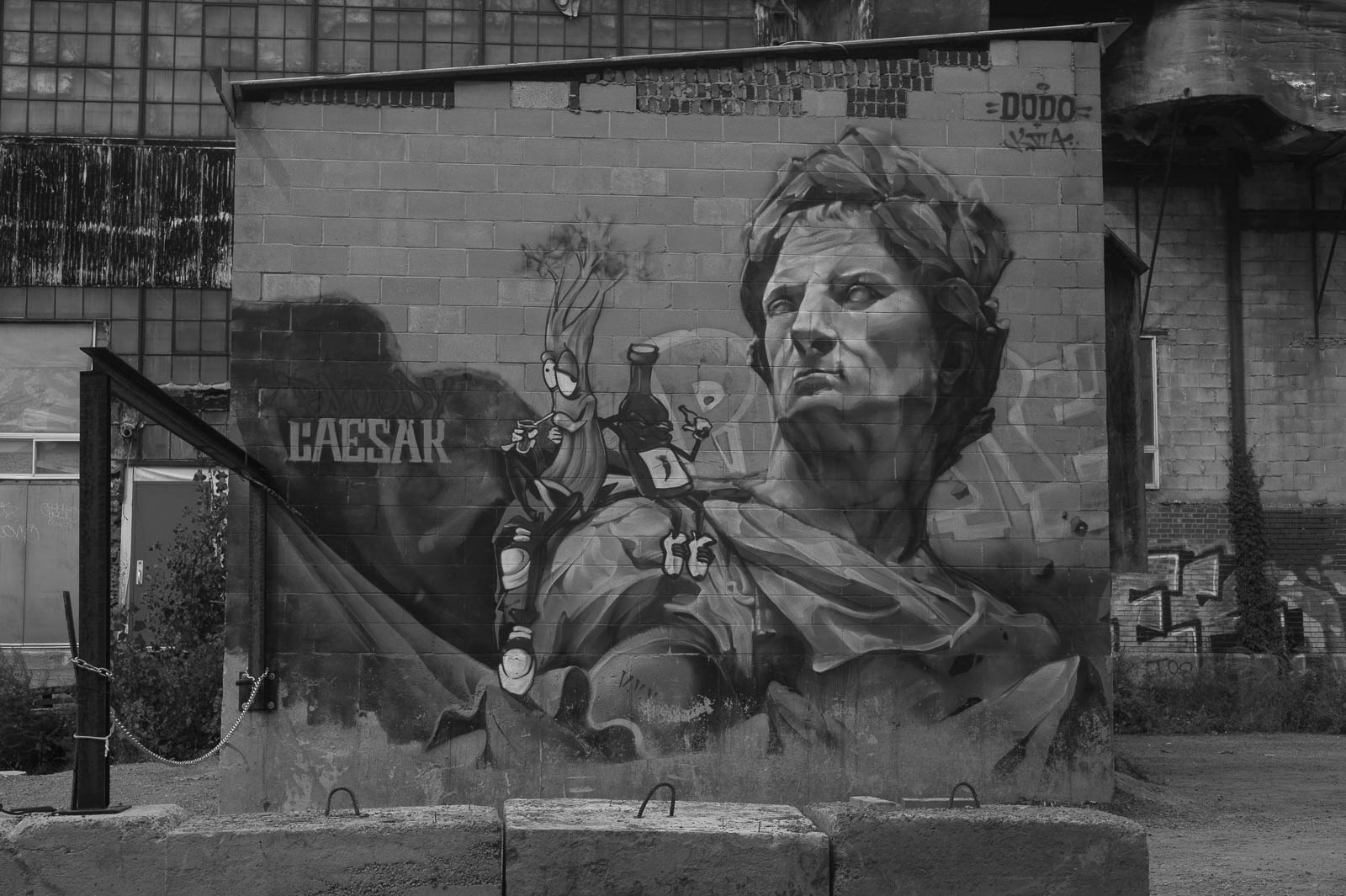
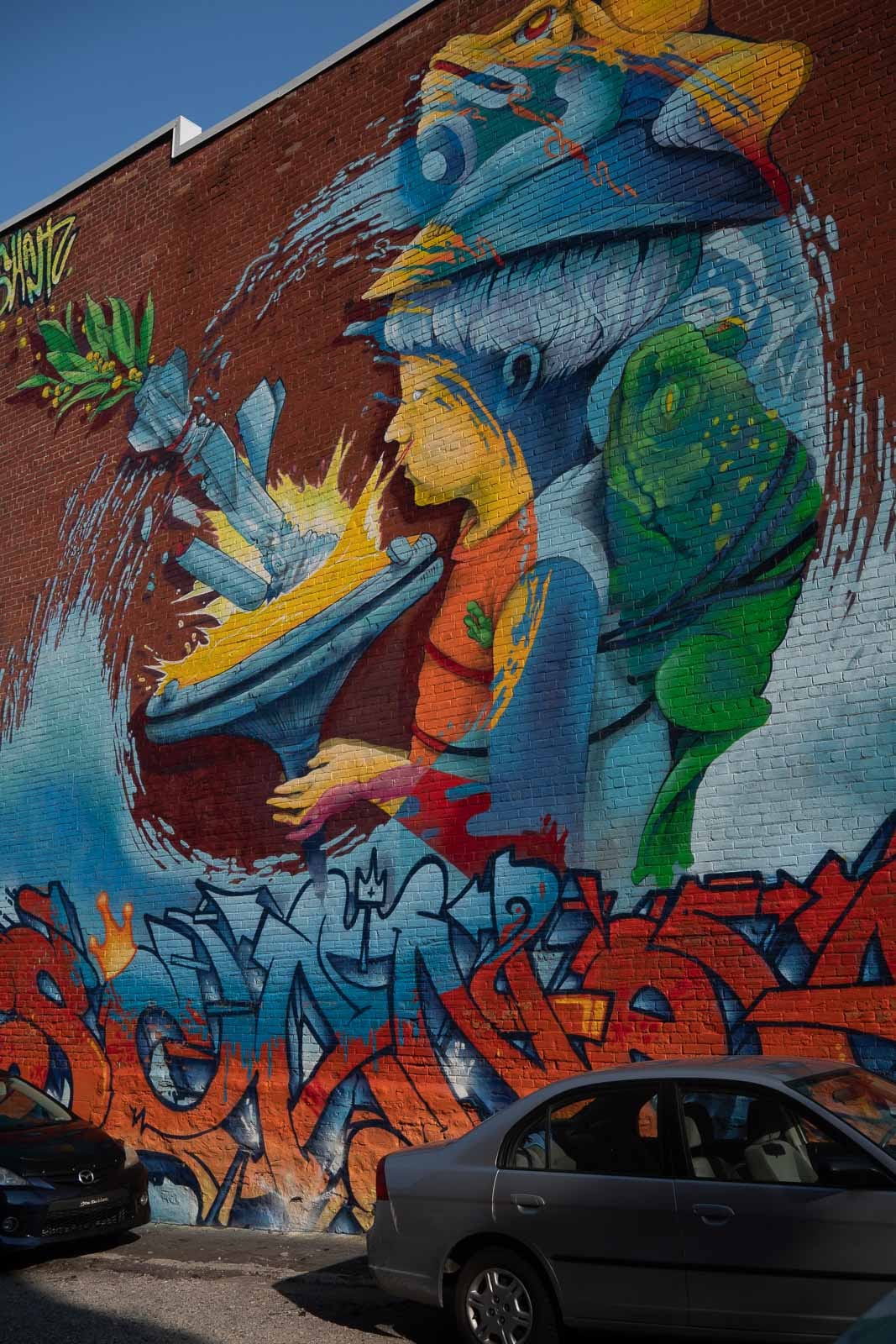
Although it remains unofficial, the title of Canada's cultural capital undoubtedly goes to Montreal. Art is everywhere: in the streets and public spaces as well as in dedicated venues. The city's 19 boroughs are home to no fewer than 350 works scattered here and there.
This municipal collection grows over the years and includes many contemporary works, such as Calder's "Man" in Parc Jean-Drapeau, Melvin Charney's "Gratte-ciel, cascades d'eau/rues, ruisseaux…" on Place Émilie-Gamelin, and "Give Peace a Chance" in Mount Royal Park.
When they are integrated into the architecture of existing buildings, these works take on a whole new dimension – as shown by Gwenaël Bélanger's "La bourrasque" at the Boisé library, or Guillaume Lachapelle's "La façade", located inside the Père-Ambroise library.
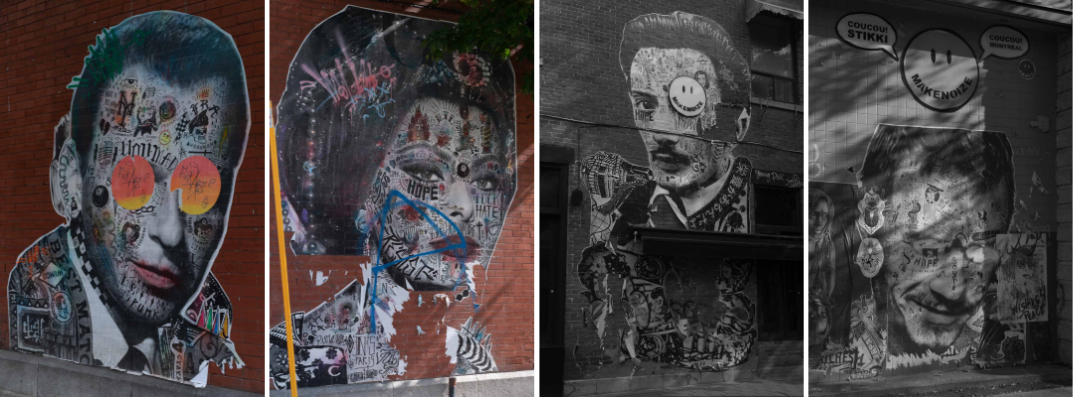
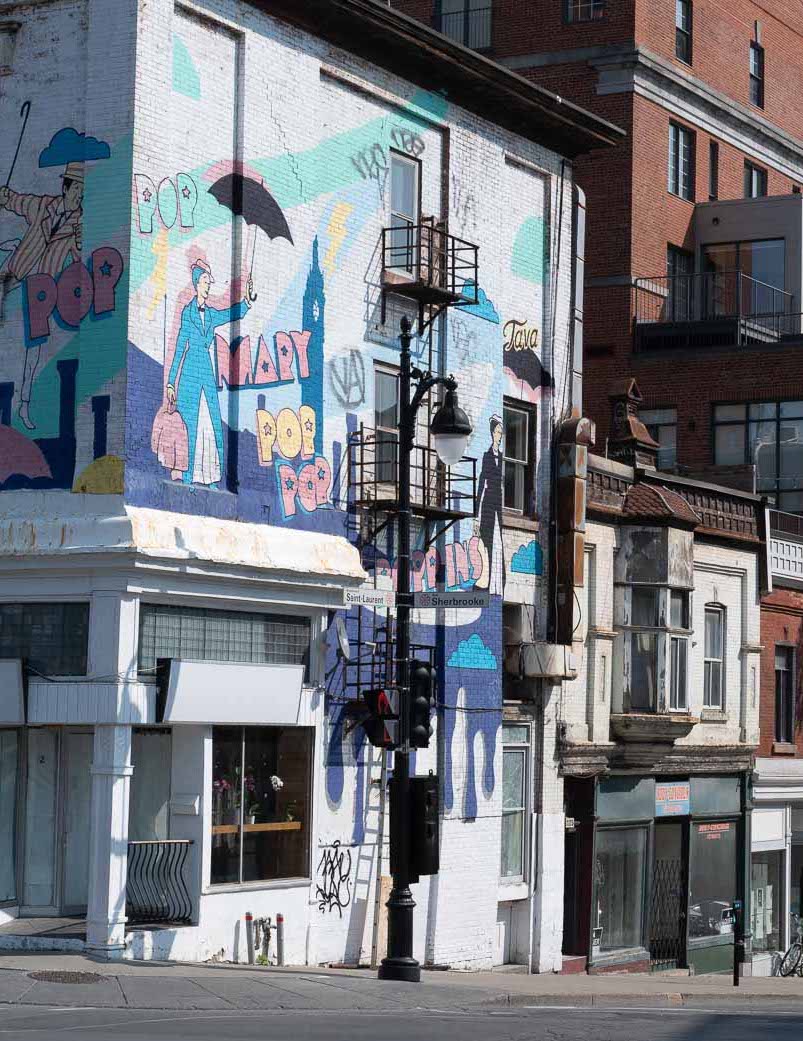
Stikki Peaches, a leading street artist from Montreal
His style challenges, surprises and seduces. The international scene acclaims his work. He started studying fashion – how could it have been otherwise? – but soon gave it up. Logically so: the artist within him wanted to express himself and break the mould. So yes, fashion left its mark on him, but he transcends it and frees himself from it to express himself better. In his works, Stikki Peaches mixes techniques. Photography, painting, collage… everything becomes material for creation, and the combinations of methods work beautifully.
With him, pop culture is never far away: icons from every world (art, politics…) lend their features to his unbridled imagination. Frida Kahlo, Amy Winehouse, Lady Diana, Steve McQueen, Elvis Presley… Stikki Peaches paints their faces and tattoos them, moving away from overly elitist art. He wants to be accessible to as many people as possible and asks: "What if art ruled the world?" His slogan echoes the call "Make art not war". Outside his studio, Stikki Peaches takes over the walls of many cities, long enough to leave his mark. Now exhibited across Europe, as well as in the United States and Canada, his work is recognised worldwide. Very popular in Canada, Stikki Peaches takes part every year in a graffiti festival in his home country.
The Simon Blais Gallery
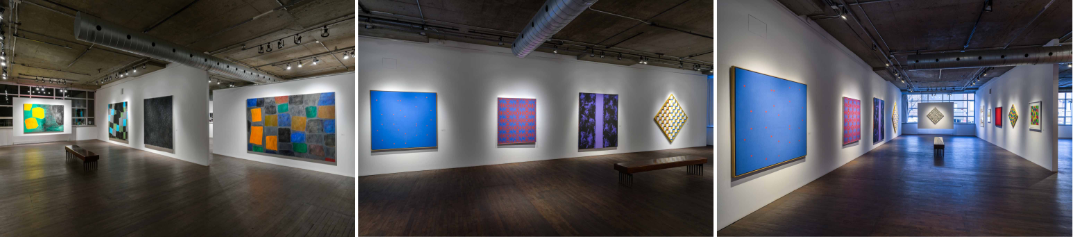
Simon Blais's meeting with Yseult Riopelle, daughter of Jean Paul Riopelle, proved decisive: "She changed our lives," the gallerist would say. "In New York, she introduced us to the estates of Pierre Matisse and Joan Mitchell, and to the Acquavella gallery, which represents huge artists."
Inspired by Surrealism, the Automatist movement was born in 1942 – in the spring of 1942, to be precise, at the exhibition of 45 gouaches by Paul-Émile Borduas in the foyer of the Ermitage in Montreal. Many young artists rallied around Borduas, who would become an essential mentor, to form the Automatistes group, whose ranks included Marcel Barbeau, Marcelle Ferron, Françoise Sullivan, Fernand Leduc and Jean Paul Riopelle, to name only the best-known painters. They were later joined by artists who would shape the history of Quebec modernist painting, such as Rita Letendre, Jean McEwen, Denis Juneau, Jacques Hurtubise and the Plasticiens Jérôme, Belzile, Jauran and Toupin (1955). All these artists saw their work on paper – the least-known aspect of their respective careers – finally showcased for the first time by Simon Blais from 1995 onwards. Numerous retrospective exhibitions, accompanied by catalogues and essays by renowned authors, became the signature of the Galerie Simon Blais.
Friendships were forged with most of these artists, and to this day the gallery exclusively represents these artists or their estates. Thanks to him, all their works on paper became the subject of exhibitions (in galleries or museums), comprehensive catalogues and reviews, and so attracted art lovers and collectors.
Today, while interest in works on paper has not waned, the Simon Blais gallery also enjoys a solid reputation as an expert among collectors and institutions alike. It brings together the largest group of estates of Quebec modernist artists and works with the country's leading museums. Still as passionate as ever, Sylvie and Simon have been joined by their son Martin. A worthy successor to his parents, he allows this emblematic gallery – and the artists it exhibits – to look to the future with optimism.

Could Art boost real estate?
The exhibition "La matière chante", organised by Claude Gauvreau, marked the end of the Automatistes' joint activities in 1954. Many of them then left Canada: Riopelle, Leduc, Ferron, Barbeau, and even Borduas, who settled first in New York in 1953, then in Paris in 1956, where he stayed until his death in 1960. Those who remained in Montreal worked there all their lives, while travelling often and spending time abroad, such as Françoise Sullivan, Jean McEwen and Marcel Barbeau.
The 1960s saw immigration to Canada accelerate, as the country showed solidarity with refugees from dictatorships such as Hungary, Czechoslovakia and the Soviet Union. The 1978 Immigration Act affirmed its commitment to helping people fleeing oppression. Later, in the 1990s, Chinese immigrants arrived in Canada in large numbers, accounting for around 20% of new immigrants at the time.
Even today, according to the Hurun Report survey, Canada ranks second behind the United States (and ahead of Great Britain and Australia) among the best countries for Chinese immigrants. Having invested heavily in Toronto and Vancouver over the last decade, they are now turning to Montreal – partly because of the tax in western Canada, which jumped from 1% to 20% in 2018, and the empty homes tax introduced by the city of Vancouver.
Is Montreal becoming the new El Dorado? The city has its dynamism, a thriving economy and a varied, intense cultural life – all assets that make it highly attractive and give it significant room for growth. One to watch…
More articles...
Montreal Architecture
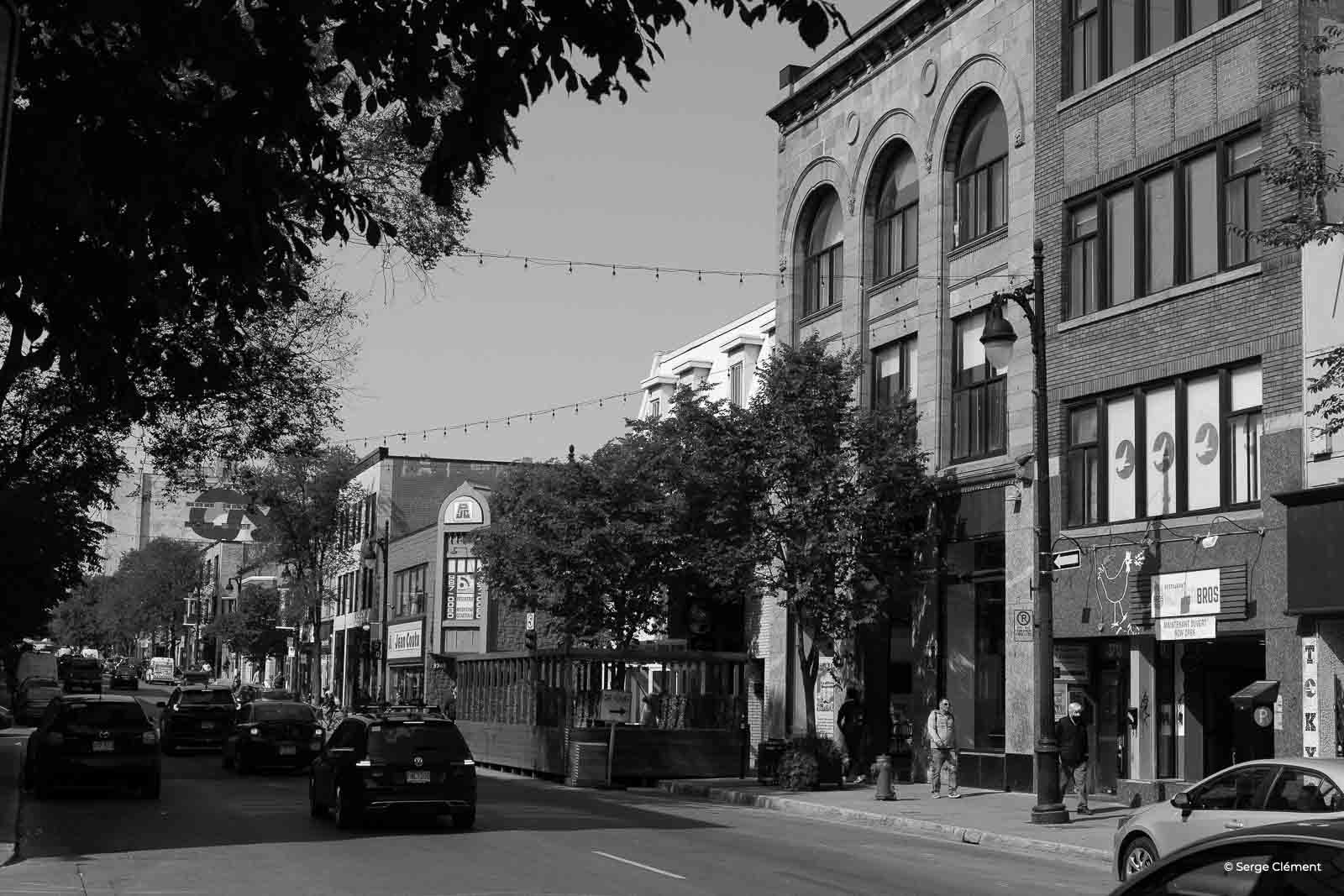
Heritage charm between Europe & America: a stroll through Montreal reveals North American architecture and heritage with a European flavour. It is a journey into the past as well as the future, where every stop is a chance to enjoy an experience to your taste.

Grand Prix in Montreal
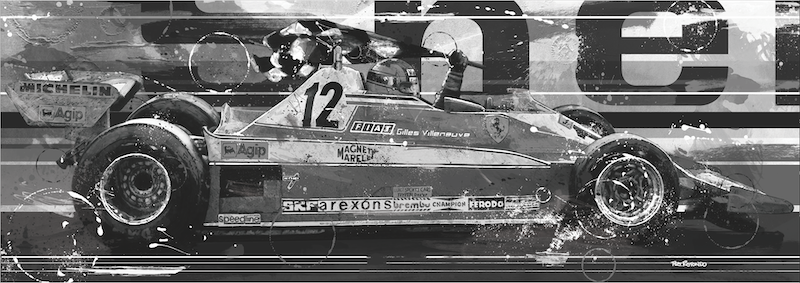
The Canadian round of the Formula 1 World Championship has been held in Montreal since 1978. A must-see international event synonymous with celebration. Montreal vibrates to the cheers of an enthusiastic crowd from all over the world, come to cheer on the best drivers on the planet.